


Norrköping, Sweden

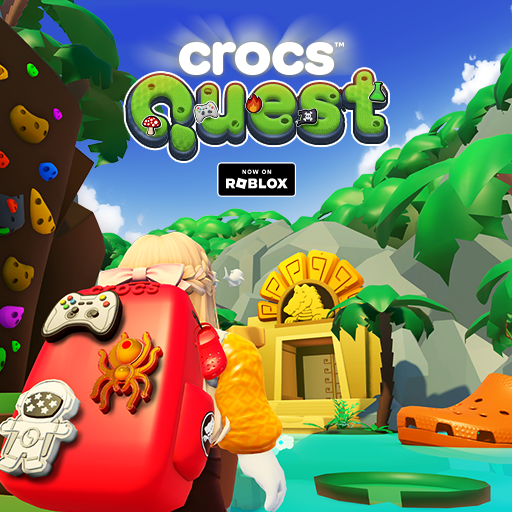
Crocs Quest

Creating memorable platforming journeys through exploration, pacing, and iteration.

Role
Level Designer
Genre
3D Adventure Platformer, Obstacle course
Levels Designed
3
Platform
Roblox
Development
Aug - Dec 2025
Visits
4.4 Million

About the Project

Crocs Quest is a third-person adventure platformer developed in Roblox Studio for a younger audience. The game takes players through a series of handcrafted worlds, each introducing a new gameplay mechanic while reinforcing previously learned abilities. As development progressed, the project underwent a significant structural shift, requiring several levels - including my own - to be redesigned to better fit the updated progression and gameplay experience. This challenged me to think beyond individual levels and instead design with the overall player journey in mind.

My Role

As one of three Level Designers on the project, I was responsible for designing three of the game's eight levels: Cozzzy Mountain, Croctober Fashion Lab, and Duke's Rainbow Bog. In addition to owning these levels, I designed alternative routes, puzzle sections, and gameplay sequences for other parts of the game. I also reviewed and provided feedback on levels created by the other Level Designer, contributing to consistency across the overall player experience. Throughout development, I collaborated closely with programmers, environment artists, audio designers, producers, and the Principal Design Lead, using regular playtests and team feedback to iterate on both individual encounters and overall level pacing.

Design Approach

Introduce

Each level introduces at least one new mechanic while reinforcing two or three previously learned abilities, allowing players to build confidence before facing new challenges.

Explore

Every level encourages exploration through hidden paths, optional shortcuts, environmental storytelling, and rewards for curious players.

Flow

I focused on creating levels with a strong sense of pacing and flow, balancing moments of high intensity with quieter sections that allow players to breathe before the next challenge.

How do you create speed without sacrificing exploration?

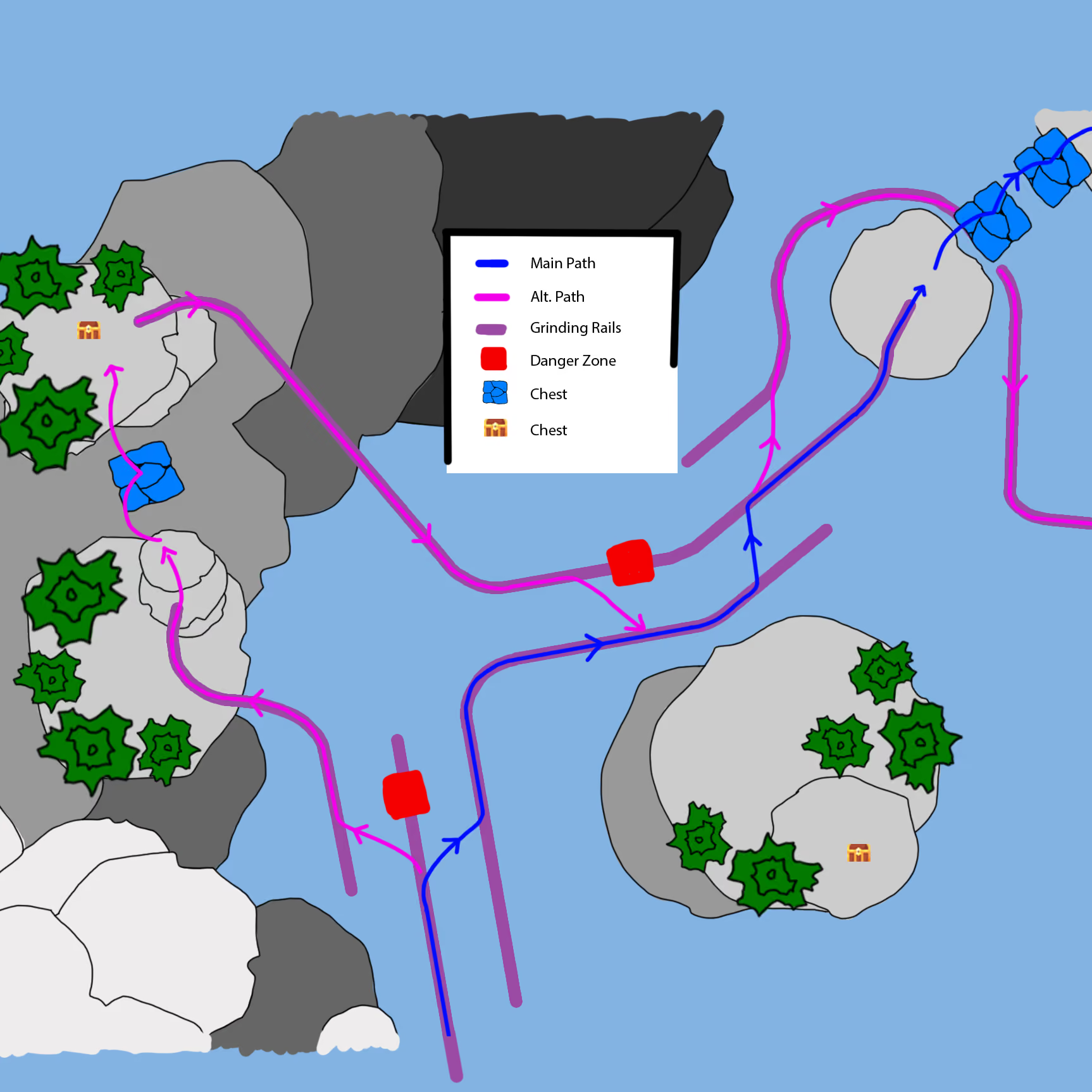
Cozzzy Mountain was designed around one core idea: maintaining a strong sense of momentum while constantly rewarding curious players. By combining high-speed rail grinding, platforming, and optional routes, I wanted players to feel like they were racing down a mountain without ever losing the desire to explore what lay just off the main path.

Design Goals

Maintain Momentum

- Design a level that constantly moves the player forward without making them feel rushed.

Reward Exploration

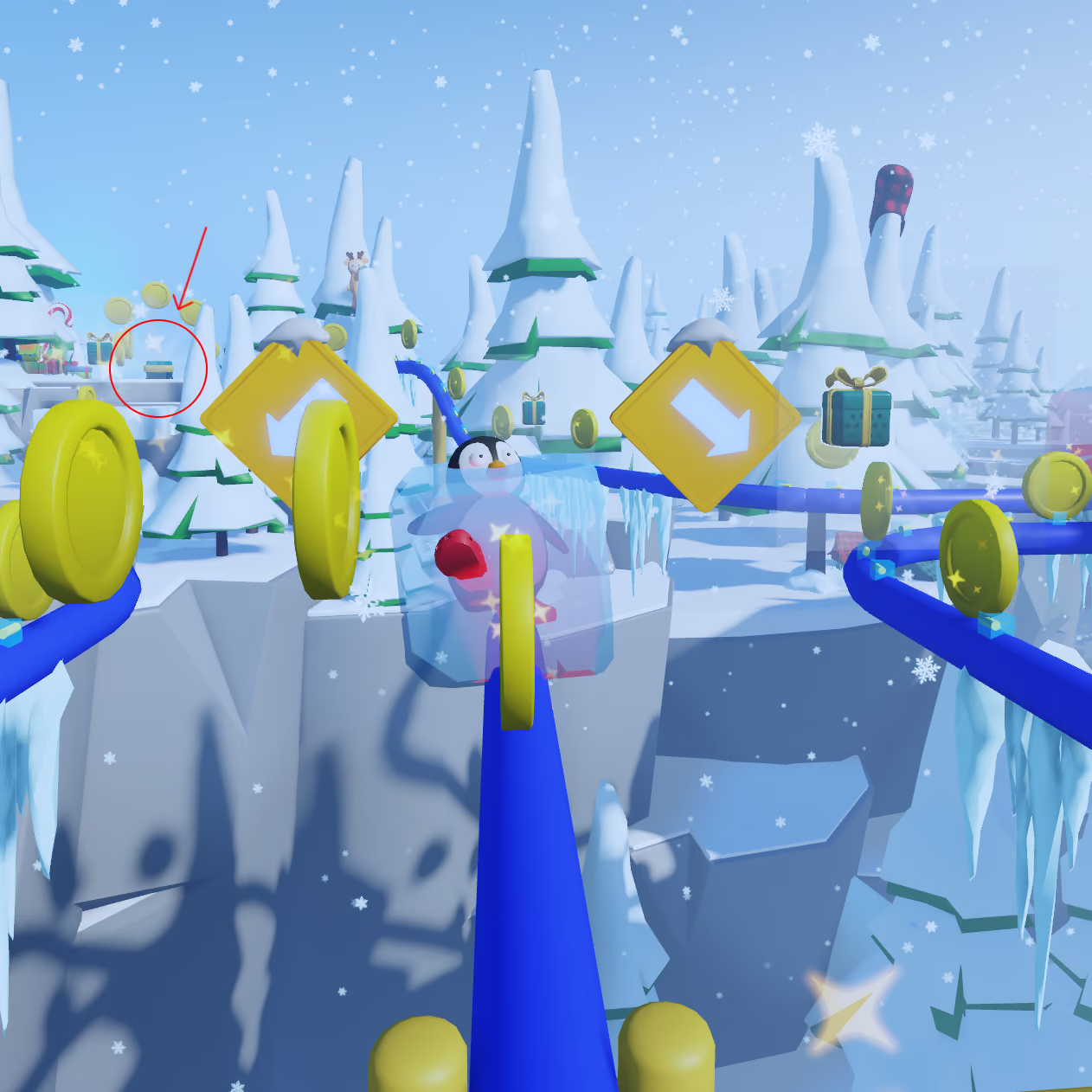
- Encourage players to leave the main route by hiding shortcuts, treasure chests, and optional paths
Layer Challenge

- Create multiple skill levels by offering increasingly difficult routes while keeping the critical path accessible for younger players.
Challenges

One of the biggest challenges was balancing speed with exploration. Rail grinding naturally encourages players to keep moving, while exploration asks them to slow down and pay attention to their surroundings.

Key Decisions

Introduce the Mechanic Early

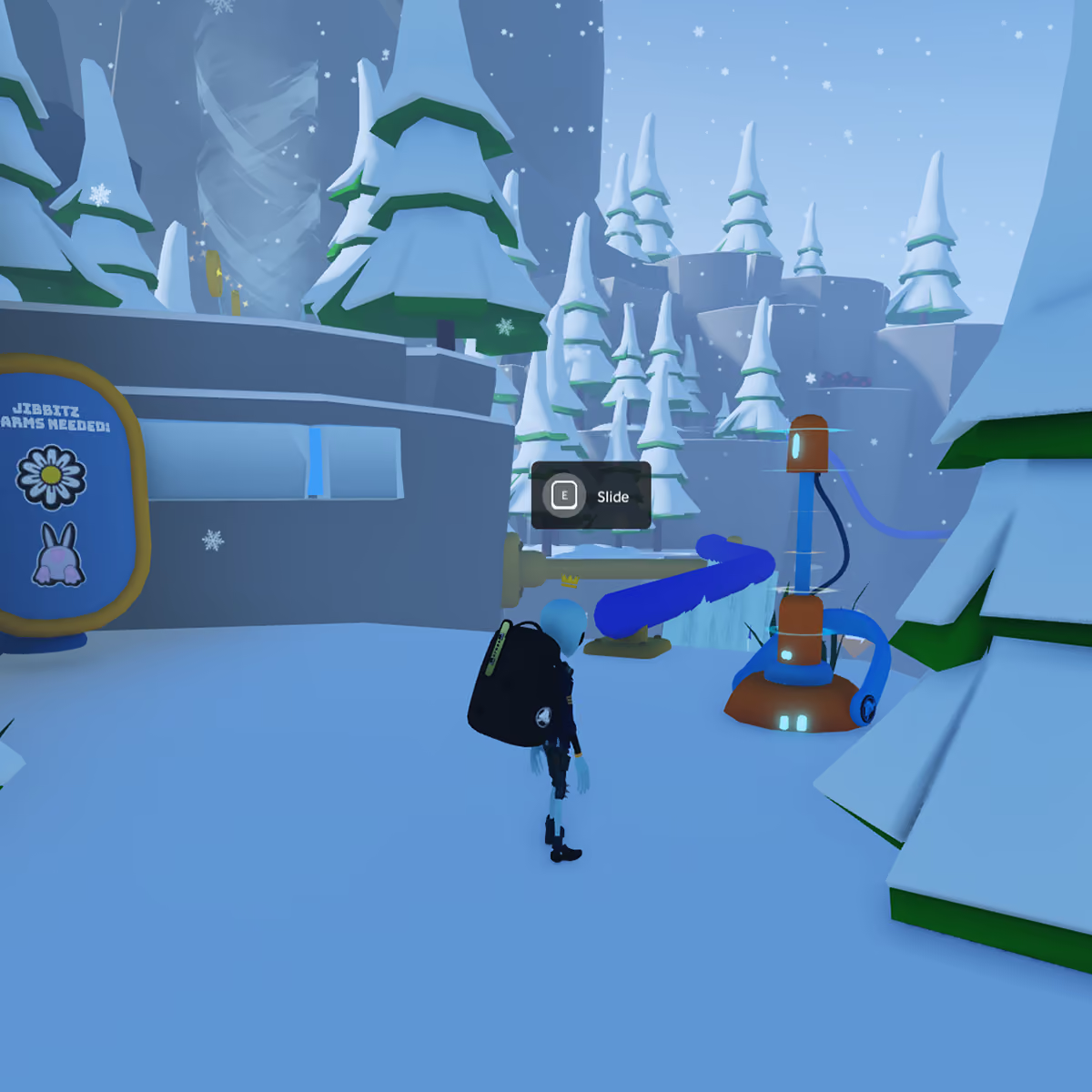
Players receive the snowboard and unlock rail grinding early in the level. This allows the mechanic to be introduced in a safe environment before becoming central to later encounters.

Multiple Routes, Multiple Skill Levels

Rather than increasing the difficulty of the critical path, I designed optional routes that rewarded players willing to take greater risks. Curious players could discover hidden treasure chests, faster shortcuts, and more challenging platforming sequences without preventing less experienced players from progressing.

Controlling the Pace

The level alternates between moments of high-speed movement and slower platforming sections. These quieter moments give players time to observe their surroundings, prepare for the next challenge, and appreciate the environment before accelerating again.

Building Toward a Destination

From the opening snowstorm to the warmly lit-up village at the end of the mountain, I wanted the player's journey to feel like a continuous descent toward safety. Every major landmark was placed to reinforce that sense of progression.

Lessons Learned

Cozzzy Mountain reinforced my belief that exploration doesn't have to interrupt momentum. By carefully placing optional routes alongside the critical path, I found that players were willing to slow down only when they felt genuinely curious - not because the level forced them to.

How do you preserve the core experience of a level when production changes force a complete redesign?

Duke's Rainbow Bog was the first level I designed for Crocs Quest and the one that changed the most throughout development. Originally built as a large, exploration-focused level filled with puzzles and hidden paths, it later underwent a significant redesign when the project's overall structure shifted. The experience taught me the importance of iteration, adaptability, and designing for production rather than becoming attached to an initial idea.

Design Goals

Encourage Exploration

- Reward curious players with hidden paths, secrets and optional puzzle moments.

Create a Sense of Scale

- Make the player feel small in a dangerous and mysterious world through oversized environments and environmental storytelling.
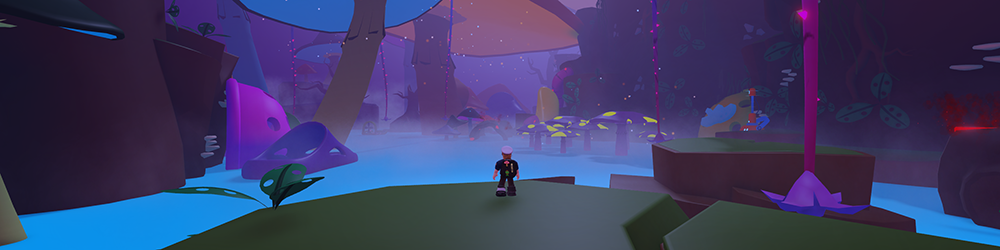
Layer Exploration and Discovery

- Design the level so that curious players naturally uncover optional puzzles, hidden paths, and environmental storytelling without interrupting the main progression.
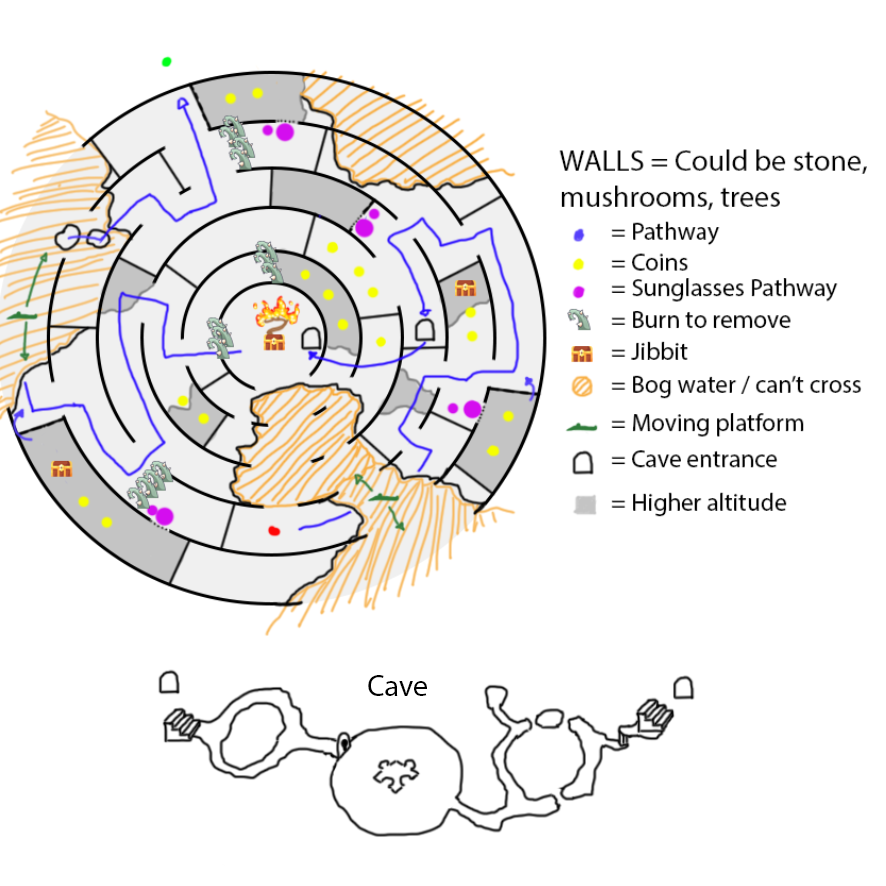
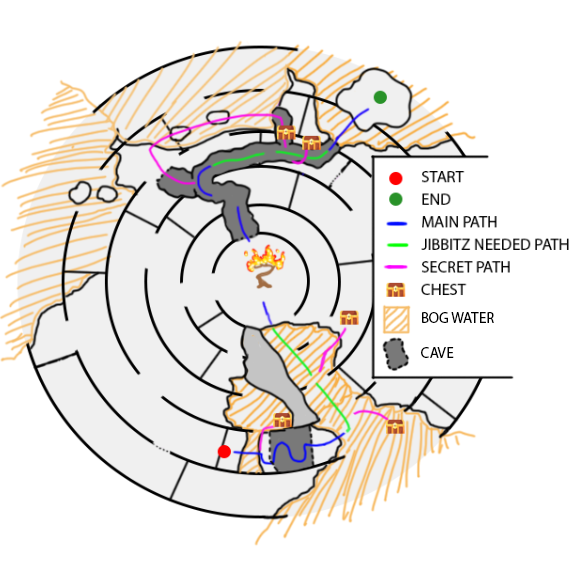
Challenges

Halfway through development, the project's progression was restructured, requiring the level to be significantly reduced in size and redesigned around a different gameplay flow. Approximately two-thirds of the original level had to be removed, including several optional puzzle sections, exploration-heavy areas, and hidden routes that originally formed the core of the experience.

The challenge wasn't deciding what to cut - it was deciding what deserved to stay. Rather than simply shortening the level, I had to identify which moments best represented its identity and rebuild the experience around those, ultimately learning that preserving the player experience matters more than preserving the level itself.

Key Decisions

Designing Exploration First

The original version of Duke's Rainbow Bog, focused heavily on optional paths, environmental storytelling and rewarding curiosity. Some of these paths were kept but simplified and some even moved to more visible locations.

Prioritizing Player Experience Over Content

When the redesign became necessary, I focused on preserving the strongest moments rather than trying to save every section of the original layout. These moments became puzzle pieces I pieced back together filling in some of the cracks that formed between them.

Learning to Build Smaller

This project fundamentally changed how I approach new levels. Rather than starting with a large vision and reducing it later, I now begin with a smaller, fully playable experience that can be expanded if necessary. I do however keep in mind when building my new levels that "here a path could be added or over there, a secret door/shortcut could be made".

Lessons Learned

Looking back, Duke's Rainbow Bog is the level I would approach most differently today. Instead of adapting the original layout to fit the new production goals, I would start from a clean slate and rebuild the experience around the updated direction.

More importantly, the project changed the way I design. It taught me to validate ideas earlier, build in smaller iterations, and stay flexible throughout development. Those lessons influenced every level I created afterwards, ultimately making Cozzzy Mountain a stronger level because of what I learned from Duke's Rainbow Bog.

How do you create new experiences without building new mechanics?

Croctober challenged me to create varied and memorable gameplay using an existing library of components rather than relying on new mechanics. By combining familiar systems in unexpected ways, I focused on creating encounters that felt fresh while remaining achievable within the project's production constraints.

Design Goals

Reimagine Existing Mechanics

- Create new gameplay experiences by combining existing components in unexpected ways instead of relying on new features.

Support Fast Iteration

- Design encounters that could be quickly tested, adjusted, and expanded without requiring additional engineering work.

Maintain a Strong Gameplay Rhythm

- Alternate between traversal, timing challenges and puzzle moments to keep the level varied while maintaining a clear sense of progression.

Challenges

One of the biggest production constraints was the limited engineering bandwidth. While new gameplay ideas were encouraged, programmer time was often reserved for higher-priority systems, meaning I needed to find creative solutions using the tools already available.

Instead of treating these limitations as obstacles, I began exploring how existing components could be combined in new ways to create mechanics that felt unique without requiring additional programming.

Key Decisions

Building with Components

Rather than requesting new mechanics, I explored the full potential of the project's component system by combining existing behaviours in new ways.

Surveillance Camera Encounter
Problem

I wanted a surveillance camera that detected the player, triggered an alarm, and forced them back to the previous checkpoint if they remained inside the spotlight.

Constraint

Creating a completely new mechanic wasn't feasible within the project's production schedule.

Solution

Instead of requesting new code, I repurposed an existing swinging platform component, changed its rotation axis, attached a cone-shaped spotlight, and used an existing respawn trigger to recreate the intended gameplay. The mechanic was built in approximately ten minutes using systems already available in the project.

Designing for Readability

To improve communication across disciplines, I color-coded my blockouts so artists and designers could immediately recognize gameplay functionality. Moving platforms, hazards, and climbable elements each used consistent colours, making discussions and reviews significantly faster.

Collaboration

Collaborated closely with programmers to confirm component behavior, artists to align on the camera's visual read, and the producer and principal design lead to validate the encounter against production constraints.
Lessons Learned

Croctober fundamentally changed how I think about production constraints. Instead of viewing limitations as something that prevented good ideas, I learned that they often lead to better ones.

The experience reinforced my belief that great level design isn't about constantly creating new mechanics - it's about understanding the full potential of the systems already available and using them in ways players don't expect.

Looking Back

Crocs Quest fundamentally changed the way I approach level design.
Before this project, I often started with large ideas and refined them as development progressed. Working in a live production environment taught me to think differently. I learned to build smaller, validate ideas through playtesting, and let player feedback shape a level long before it ever feels "finished." That process paid off, Crocs Quest went on to reach 4.4 million visits with an 87.8% rating - a result that reflects just how much those smaller, validated decisions added up.

Perhaps the biggest surprise was discovering that my creativity thrives within constraints. Whether adapting to production changes, working around technical limitations, or finding new uses for existing mechanics, some of my strongest design decisions came from solving problems rather than avoiding them.

Looking back, the biggest lesson wasn't learning to build better levels - it was learning to design better player experiences. Players rarely remember every obstacle they overcame, they remember how the journey made them feel. Memorable experiences aren't created by adding more, but by making every design decision intentional.

That's a mindset I'll carry into every project I work on.

Every new level I design still begins with the same question: What do I want the player to remember?